Reveal Your Online Potential: Expert Organic SEO Services for Long-Term Growth
Throughout the digital sphere, businesses continuously acknowledge the significance of organic SEO services. report These techniques foster sustainable growth by improving online visibility and generating targeted traffic without the need on paid ads. By emphasizing strategies like keyword research and high-quality content, brands can build authority and trust. However, the subtleties of effective organic SEO extend beyond mere visibility. Understanding these elements could be the key to revealing untapped potential.
Understanding Organic SEO: What Is It?
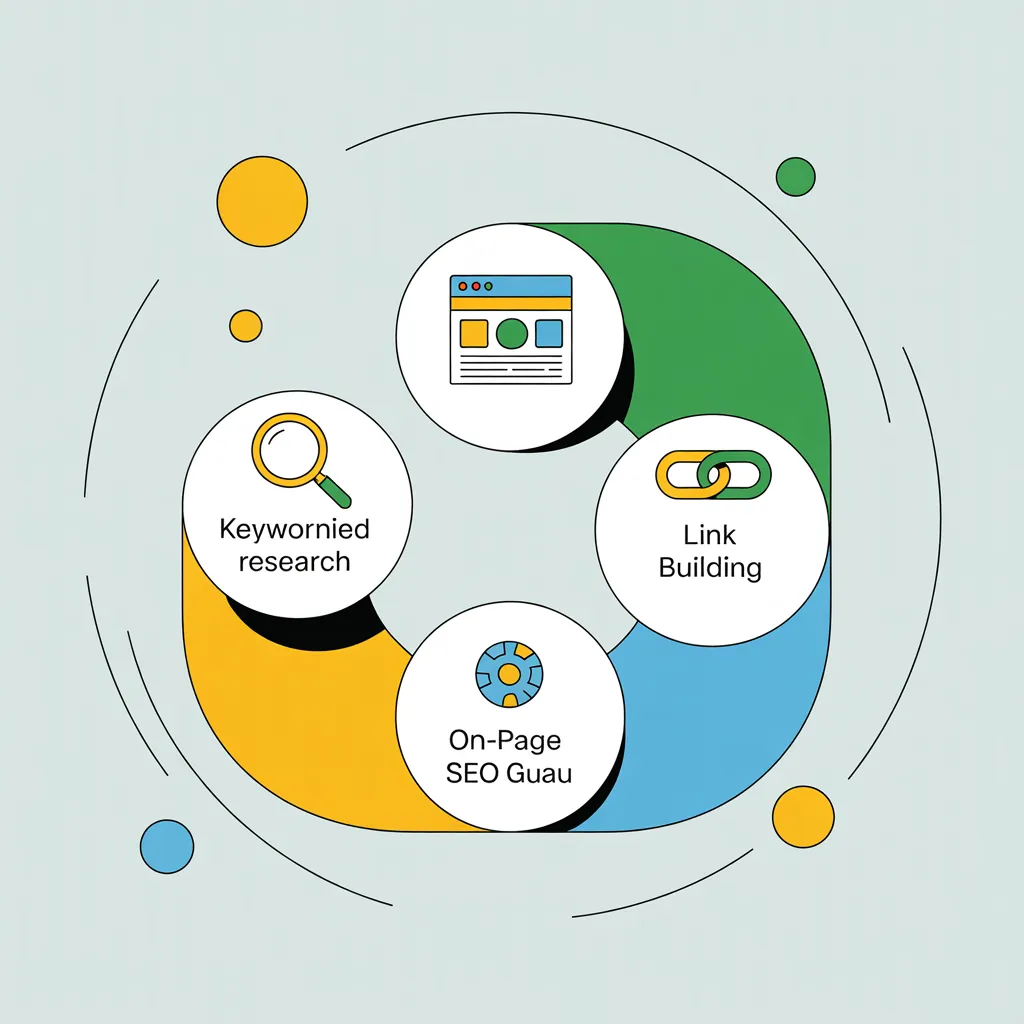
Organic search engine optimization is the practice of optimizing a website to boost its visibility in search engine results without using paid advertising. This strategy consists of various techniques aimed at enhancing a site's relevance and authority. Key components include keyword research, on-page optimization, and backlink building.
Keyword research involves identifying search terms potential customers use to find services or products. On-site optimization targets improving website elements, like content quality, meta tags, and site structure, to ensure search engines can readily crawl and index the site. Backlink building involves acquiring links from reputable sites to develop credibility and authority.
How Does Organic SEO Drive Your Business Growth?
Utilizing the power of organic SEO is crucial for businesses seeking to succeed in a competitive digital landscape. By enhancing website content and structure for search engines, companies can improve their visibility and attract targeted traffic. This increased visibility results in higher organic search rankings, which are vital for generating leads and conversions.
Furthermore, organic SEO encourages lasting growth. Contrary to paid advertising, which discontinues generating results once funding stops, organic strategies develop a enduring online presence. They enhance brand credibility and trust, as users often regard top-ranking sites as more reliable.
Furthermore, organic SEO corresponds to evolving consumer behavior. As users more and more turn to search engines for information, businesses must adapt to continue being relevant. By focusing on organic SEO, companies can simultaneously reach a wider audience but also create meaningful connections with possible customers, ultimately fueling sustained business growth.
Key Strategies for Establishing Website Authority
Building website authority demands a strategic approach that incorporates various essential tactics. First, gaining high-quality backlinks from reputable sites is essential, as these endorsements convey credibility to search engines. Engaging in guest blogging on relevant platforms can facilitate these connections while enhancing visibility.
Secondly, improving on-page SEO components, including title tags and meta descriptions, results in better search rankings. Thirdly, regular publishing of useful and relevant content aids in building credibility in a given niche, fostering trust among visitors and search engines alike.
Furthermore, utilizing social media platforms to distribute content can generate traffic and elevate brand awareness.
In conclusion, tracking analytics to evaluate performance and refining strategies correspondingly provides ongoing growth in authority. By utilizing these strategies, businesses can successfully build their website authority, leading to improved organic search performance and enduring online presence.
How Does Quality Content Influence SEO Results?
Quality content substantially affects SEO success, functioning as a foundation for efficient online strategies. Superior content attracts audiences, fostering longer visits and lower bounce rates, which are beneficial signals to search engines. When content is well-researched, educational, and appropriate, it naturally embeds keywords that correspond to user intent, increasing visibility in search results.
In addition, valuable and original content is more apt to draw backlinks from authoritative sites, therefore enhancing domain authority. Consistent content quality builds trust and credibility, which are vital for building a loyal audience. Furthermore, quality content commonly stimulates social sharing, additionally extending reach and engagement.
What Makes User Experience Essential for SEO?
User experience (UX) plays a pivotal role in influencing SEO outcomes, as it directly determines how users interact with a web platform. A well-designed UX promotes user satisfaction, elevating the chance of longer site visits and lower bounce rates. Search engines, primarily Google, favor sites that provide valuable experiences, influencing their ranking algorithms.
Factors like page load speed, mobile responsiveness, and intuitive navigation are critical to boosting UX. User-friendly websites prompt users to view more content, which conveys quality to search engines. Furthermore, user engagement metrics, for example time on page and interaction rates, are seen as indicators of relevance and authority.
Incorporating UX design concepts not only benefits visitors but also enhances organic search visibility. As a result, a carefully optimized user experience aligns with SEO methods, creating a mutually beneficial situation for both users and website owners in the digital landscape.

Common Questions
What Is the Timeline for Seeing SEO Results?
Normally, it takes three to six months to see visible SEO results. Nonetheless, this timeframe can vary based on industry competition, website age, and the effectiveness of applied strategies, calling for patience and sustained optimization efforts.
What Costs Come With Organic SEO Services?
The costs associated with organic SEO services can vary substantially, typically ranging from a few hundred to many thousand dollars per month, depending on the service provider's skill level, the scope of solutions, and specific client needs.
Is It Better to Do SEO Myself or Employ an Expert?
Individuals can do SEO on their own with proper research and tools, but employing an expert often yields better results because of their experience and understanding. Ultimately, the decision depends on a person's skills, time, and goals.
How Regularly Should I Update My Website Content for SEO?
Refreshing website content every 3-6 months is typically recommended for ideal SEO performance. Regular updates maintain site freshness, boost user engagement, and signal to search engines that the content is relevant and current.
Which Tools Are Most Effective for Tracking SEO Results?
Well-known tools for analyzing SEO performance include Google Analytics, SEMrush, Ahrefs, and Moz. These platforms provide insights into keyword rankings, backlinks, and website traffic, helping users assess and optimize their SEO strategies efficiently.